Son Cubano Roots

The Cuban sound behind salsa. Son cubano grew in eastern Cuba, reached Havana in the early 1900s and gave salsa its clave, its call-and-response choruses and its swing.
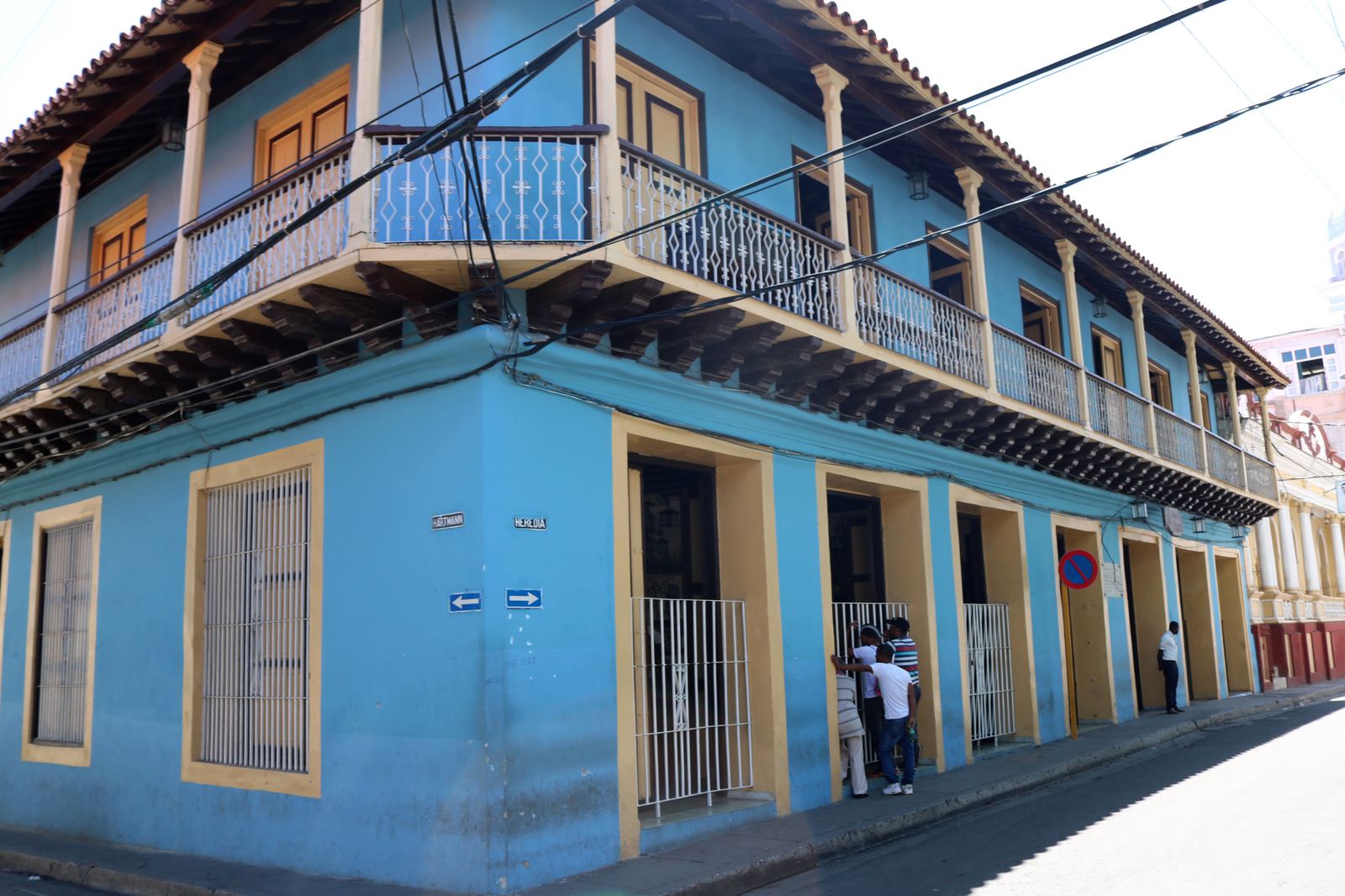
The blue colonial facade of the Casa de la Trova music house in Santiago de Cuba

Casa de la Trova, Santiago de Cuba: Maesi64, CC0

Music from the east

Son cubano took shape in the rural Oriente region of eastern Cuba in the late 1800s, blending Spanish guitar and song forms with African rhythms and percussion. Its sound centered on the tres, a guitar with three doubled strings, along with bongos, maracas, claves and a bass line first played on the marímbula, a box with metal tongues.

In the early 1900s the music arrived in Havana, and by the 1920s groups like the Sexteto Habanero were recording it and dominating the dance halls.

The music moved with people. Workers and soldiers carried songs from the east to the capital, and the new radio stations and record labels of the 1920s spread them across the island and abroad.

Video: Echale Salsita (Septeto Nacional de Ignacio Pineiro - Topic), embedded from YouTube.

Sextetos and septetos

The classic son band grew from six musicians to seven when a trumpet joined the lineup. Ignacio Piñeiro founded his Septeto Nacional in 1927, and his song Échale salsita, from 1933, used the word salsa as a playful call for more flavor, an early hint of the name that would later cover a whole genre.

In the 1940s the blind tres virtuoso Arsenio Rodríguez expanded the son band into the conjunto, adding piano, conga and more trumpets. That louder, punchier lineup is the direct ancestor of the salsa orchestra.

What salsa inherited

Almost every salsa tune keeps the son's structure: a verse section, then a montuno where a chorus repeats a short line and the lead singer improvises in between. The clave pattern locks everything in place, and the bass anticipates the beat, giving the music its forward lean.

When New York musicians built salsa in the 1960s and 1970s, son was the main ingredient, mixed with mambo, jazz and Puerto Rican influences.

The dance that went with son was a close couple dance, smooth and grounded, with small steps and a gentle sway. It placed the step slightly against the beat, a habit that lives on in Cuban casino and in On2 timing. Watching older Cuban couples dance son today is one of the best lessons in relaxed, musical movement.

Son today

In Santiago de Cuba, the Casa de la Trova still hosts nightly music, and the worldwide success of the Buena Vista Social Club recordings in the late 1990s introduced a new generation to the older son sound. For dancers, listening to classic son is the fastest way to understand where salsa's swing comes from.
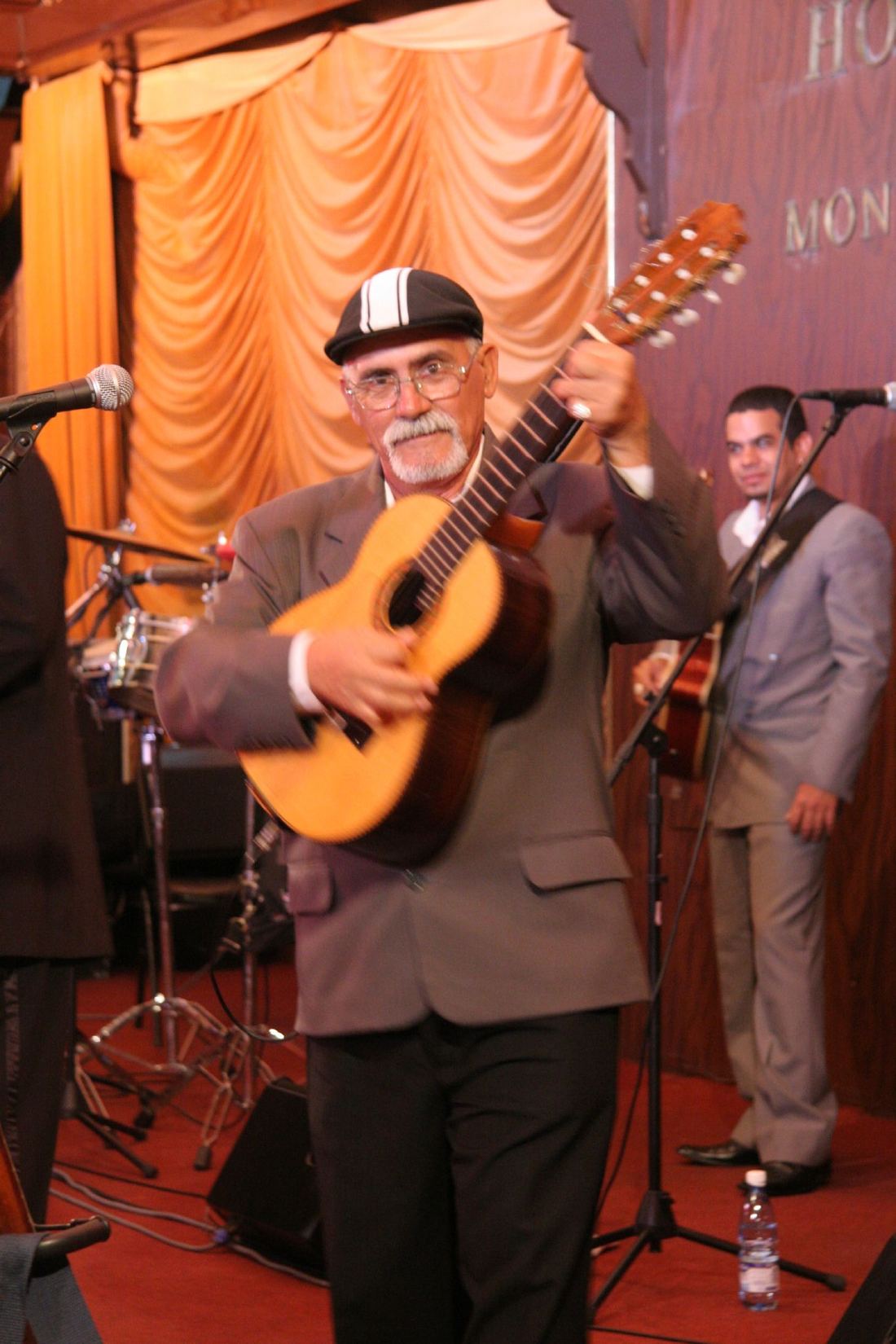
Media credits
  • Casa de la Trova, Santiago de Cuba: Maesi64, CC0
  • Buena Vista Social Club on stage: Brian Snelson from Hockley, Essex, England, CC BY 2.0

Text written by Salsa Tranquila.

← Cali Style SalsaFania and the Name Salsa →

Shop

The Salsa Tranquila collection

Tees and hoodies in the Salsa Tranquila colors, printed to order in the USA. Use code FIRST15 from the newsletter for 15% off your first order.

Watch

Salsa Tranquila Shorts

Quick, accurate, under a minute. Every Short is original and made only for this channel.

YouTube @SalsaTranquila
Channel launching soon. Subscribe on the newsletter to hear first.
Get notified
5 Spanish words every salsa dancer should knowPhotos: Salsa band and salsa dancing - Fatacil Agriculture and Tourism Fair - Lagoa - The Algarve, Portugal (1469449571).jpg - Glen Bowman from Newcastle, England (CC BY 2.0) via Wikimedia Commons | Salsa Sunday at True North Square.jpg - Samsmachado (CC BY 4.0) via Wikimedia Commons | Salsa dancing.jpg - see file page (Public domain) via Wikimedia Commons | Clase de salsa en Iberoconf 2023.jpg - Luis Alv
In Cuba, salsa can turn into a giant wheelPhotos: Rinco de la Salsa. Trinidad, Cuba. Octubre 2016. Foto. Yoel Díaz 04.jpg - Yoeztudioz (CC BY 3.0) via Wikimedia Commons | Salsa dancing - Cuban Salsa Leuven.jpg - Sean Reniers (CC BY-SA 4.0) via Wikimedia Commons | CUBA Havana - salsa Anthony and Steph ii.jpg - Anthonydpadgett (CC BY-SA 4.0) via Wikimedia Commons | Salsa Training Camaguey Cuba.jpg - Jialiang Gao www.peace-on-earth.org (CC BY-SA 2.5
Salsa music is literally named after a saucePhotos: Salsa band and salsa dancing - Fatacil Agriculture and Tourism Fair - Lagoa - The Algarve, Portugal (1469449571).jpg - Glen Bowman from Newcastle, England (CC BY 2.0) via Wikimedia Commons | Salsa dancing - Cuban Salsa Leuven.jpg - Sean Reniers (CC BY-SA 4.0) via Wikimedia Commons | Street Musician in Havana (49042271832).jpg - kuhnmi (CC BY 2.0) via Wikimedia Commons | Salsa dancing.jpg - see fil
Why salsa dancers argue about On1 vs On2Photos: Salsa band and salsa dancing - Fatacil Agriculture and Tourism Fair - Lagoa - The Algarve, Portugal (1469449571).jpg - Glen Bowman from Newcastle, England (CC BY 2.0) via Wikimedia Commons | Salsa dancing.jpg - see file page (Public domain) via Wikimedia Commons | Rinco de la Salsa. Trinidad, Cuba. Octubre 2016. Foto. Yoel Díaz 03.jpg - Yoeztudioz (CC BY 3.0) via Wikimedia Commons | Salsa performe
Why the Queen of Salsa always shouted AzucarPhotos: Celia Cruz 1.jpg - Lionel Decoster (CC BY-SA 3.0) via Wikimedia Commons | Celia Cruz 1957 color.jpg - Ibrahim Arce (Narcy Studios photographer), most likely (Public domain) via Wikimedia Commons | Celia Cruz y La Sonora Matancera.jpg - Ibrahim Arce (Narcy Studios photographer), most likely (Public domain) via Wikimedia Commons | 2024 Celia Cruz Womens Quarter.jpg - Phebe Hemphill (Public domain) v
Newsletter

The weekly salsa move

One short move breakdown every week, counted out slowly, plus a Spanish word for the dance floor, new pages and our latest Shorts. Join El Tranquilo's list and get 15% off the shop.