Salsa History and Legends
Salsa did not start with one song or one person. It grew from Cuban son and mambo, was rebuilt by Puerto Rican and Cuban musicians in New York, got its name and its swagger from the Fania label in the late 1960s and 1970s, and then spread to dance floors from Los Angeles to Cali.
Here is the short version, with the people who made it happen.
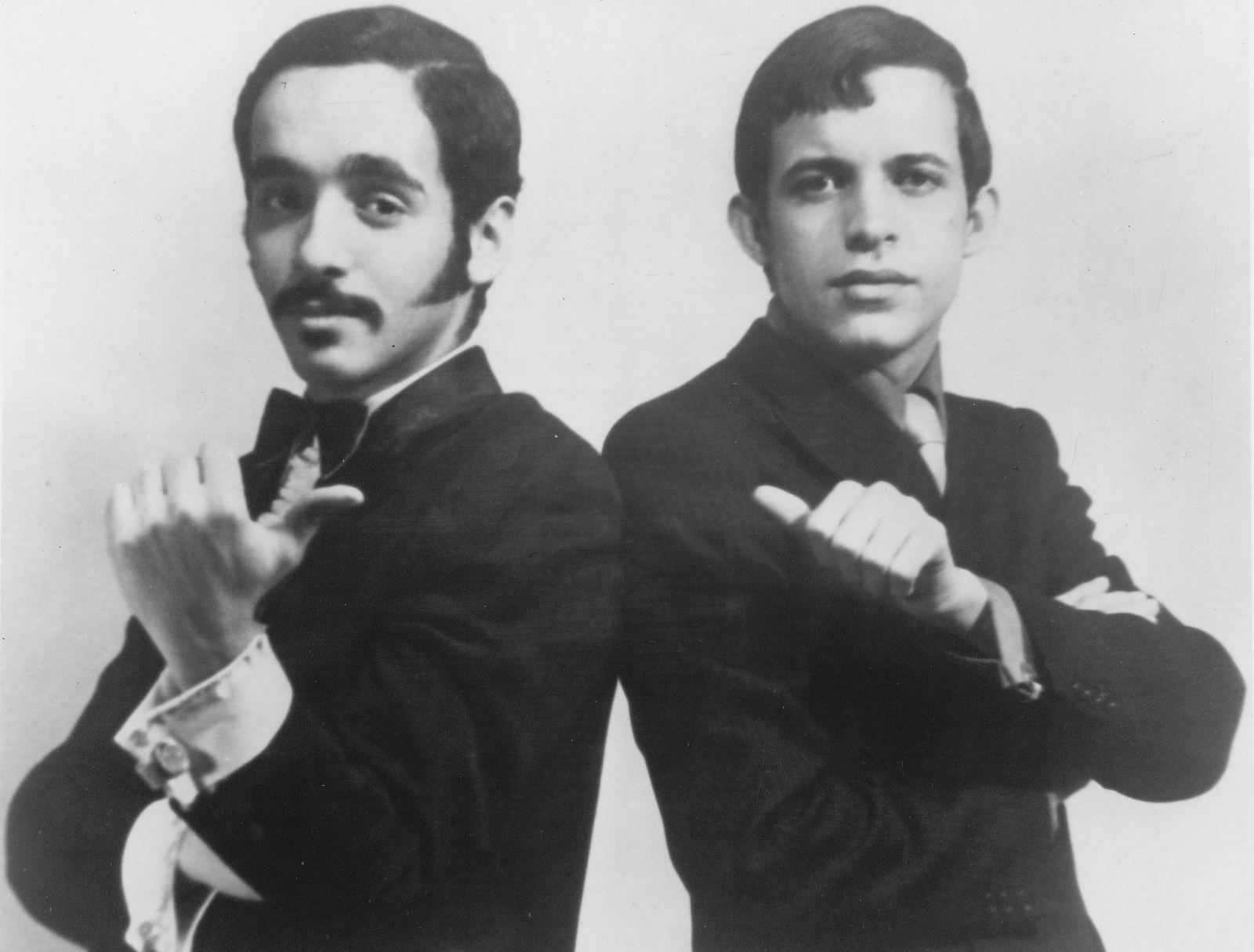
Willie Colón and Héctor Lavoe, 1969: Fania Records, Public domain
Timeline
- Late 1800s to early 1900s
Son is born in eastern Cuba
Son grows from rural styles in Oriente province, mixing Spanish guitar traditions with African rhythm, and spreads to Havana in the early twentieth century.
Source: en.wikipedia.org - 1920
Sexteto Habanero
The Sexteto Habanero forms in Havana and helps turn son into a recorded, city-wide sound. Son becomes the backbone that salsa is later built on.
Source: en.wikipedia.org - 1946 to 1948
The Palladium and the mambo craze
The Palladium Ballroom opens on Broadway in Manhattan in 1946. From 1948 its Big Three bands, led by Tito Puente, Tito Rodríguez and Machito, fuel a national mambo craze.
Source: en.wikipedia.org - 1950
Celia Cruz joins La Sonora Matancera
Celia Cruz becomes lead singer of La Sonora Matancera, one of Cuba's most popular bands, and the group's radio ratings soar.
Source: womenshistory.org - 1950s
Casino and rueda in Havana
Havana dancers develop casino, a circular partner style, and rueda de casino, where couples dance in a wheel and a caller names the moves.
Source: salsavida.com - 1957
First Feria de Cali
Cali, Colombia, holds its first fair. Over the decades the late-December Feria becomes one of the biggest salsa celebrations in the world.
Source: en.wikipedia.org - 1960
La Sonora Matancera leaves Cuba
On June 15, 1960, the band and Celia Cruz fly to Mexico for a tour and never return to Cuba. Cruz later builds her career in the United States.
Source: womenshistory.org - 1964
Fania Records is founded
Dominican-born bandleader Johnny Pacheco and lawyer Jerry Masucci start Fania Records in New York. The label becomes the home of the new sound.
Source: en.wikipedia.org - 1966
The Palladium closes
The Palladium Ballroom shuts its doors, ending the classic mambo era, while a younger generation of New York musicians is already building something new.
Source: en.wikipedia.org - Late 1960s to 1970s
The name salsa takes hold
Fania artists, including the Fania All-Stars, add electric instruments and push Afro-Cuban rhythms forward. They start calling their pan-Latin music salsa, and the name sticks.
Source: womenshistory.org - 1974
Fania All-Stars in Kinshasa
The Fania All-Stars, with Celia Cruz, perform in Kinshasa, Zaire, as part of the events around the Ali versus Foreman fight known as the Rumble in the Jungle.
Source: womenshistory.org - 1978
Siembra
Willie Colón and Rubén Blades release Siembra, still counted among the high points of salsa recording.
Source: npr.org - 1990s
LA style takes shape
In Los Angeles, dancers such as the Vazquez brothers and promoter Albert Torres, who created the first salsa congress in the US, help build a flashy On1 style that spreads worldwide through congresses and workshops.
Source: nps.gov - 2003
Celia Cruz dies
The Queen of Salsa dies after a career of more than five decades. The Smithsonian's National Museum of American History later holds a major exhibition about her life.
Source: smithsonianmag.com - December 2025
The 68th Feria de Cali
About 32,000 people turn out in the rain for the Salsódromo parade that opens the 68th Feria de Cali.
Source: cali.gov.co - February 2026
Willie Colón dies at 75
The Bronx-born trombonist, bandleader and producer, one of Fania's defining artists, dies on February 21, 2026.
Source: npr.org
Legends to know
Short profiles, facts only. Look up their recordings on our playlists page.
Celia Cruz
Born in Havana in 1925, Cruz became lead singer of La Sonora Matancera in 1950 and left Cuba with the band in 1960. In New York she signed with Tico Records, which Fania later bought, and toured the world with the Fania All-Stars. Her trademark cry of Azúcar, sugar, came from a Miami restaurant where a server asked how she took her coffee.
- Born
- Havana, 1925
- Died
- 2003
- Known for
- Azúcar!
Johnny Pacheco
A Dominican-born composer and bandleader, Pacheco co-founded Fania Records in 1964 with Jerry Masucci, reportedly selling the first records out of the trunk of his car. He also recorded with Celia Cruz, including the album Celia y Johnny.
- Born
- Dominican Republic
- Label
- Fania, founded 1964
Willie Colón
Born in the Bronx in 1950, Colón made more than two dozen albums for Fania. His trombone-led band gave salsa a raw new edge, he launched singer Héctor Lavoe and later partnered with Rubén Blades on Siembra (1978). He died in February 2026 at 75.
- Born
- The Bronx, 1950
- Died
- February 2026
- Landmark album
- Siembra, 1978
Héctor Lavoe
The Puerto Rican vocalist recorded a string of popular albums with Willie Colón between 1967 and 1975, then became one of salsa's first major solo stars.
- From
- Puerto Rico
- With Colón
- 1967 to 1975
Rubén Blades
Blades joined Willie Colón's band in the late 1970s, and their songs took on the social issues they saw around them. Their album Siembra is often called one of salsa's high-water marks.
- Landmark album
- Siembra, 1978
- Known for
- Story-driven songs
Tito Puente, Tito Rodríguez and Machito
These three bandleaders anchored the Palladium Ballroom from 1948 and drove the mambo craze that later fed New York salsa and the On2 dance style.
- Venue
- Palladium Ballroom, NYC
- Era
- 1948 to 1966
Eddie Torres
Torres did not invent dancing On2, but he organised it into a clear teaching method, often called ET2, and spread it through classes and performances, making New York style a global standard.
- Style
- New York On2
- Timing
- Steps 1-2-3, 5-6-7, breaks on 2 and 6
The Vazquez brothers
Luis, Francisco and Johnny Vazquez helped shape LA style in the 1990s. Luis co-created the first salsa dance team, Salsa Brava, and Francisco became known for his choreography.
- City
- Los Angeles
- Era
- 1990s onward
- National Women's History Museum: Celia Cruz biography
- Smithsonian Magazine: The Enduring Legacy of Celia Cruz, the Queen of Salsa
- NPR: Willie Colón, salsa pioneer, has died at 75
- U.S. National Park Service: Los Angeles Salsa
- Wikipedia: Palladium Ballroom
- Wikipedia: Fania Records
- Wikipedia: Son cubano
- Wikipedia: Sexteto Habanero
- Wikipedia: Cali Fair
- Salsa Vida: New York Style Salsa (On 2)
- Salsa Vida: Rueda de Casino
- Alcaldía de Santiago de Cali: Salsódromo opens the 68th Feria de Cali
Facts on this page were checked against these sources (updated Oct 1, 2026). Spot an error? Email hello@fireempireshop.com.

.jpg)