Fania and the Name Salsa
How a sauce named a genre. Salsa means sauce. In 1970s New York, Fania Records and its All-Stars turned the word into a brand for spicy Latin dance music heard worldwide.
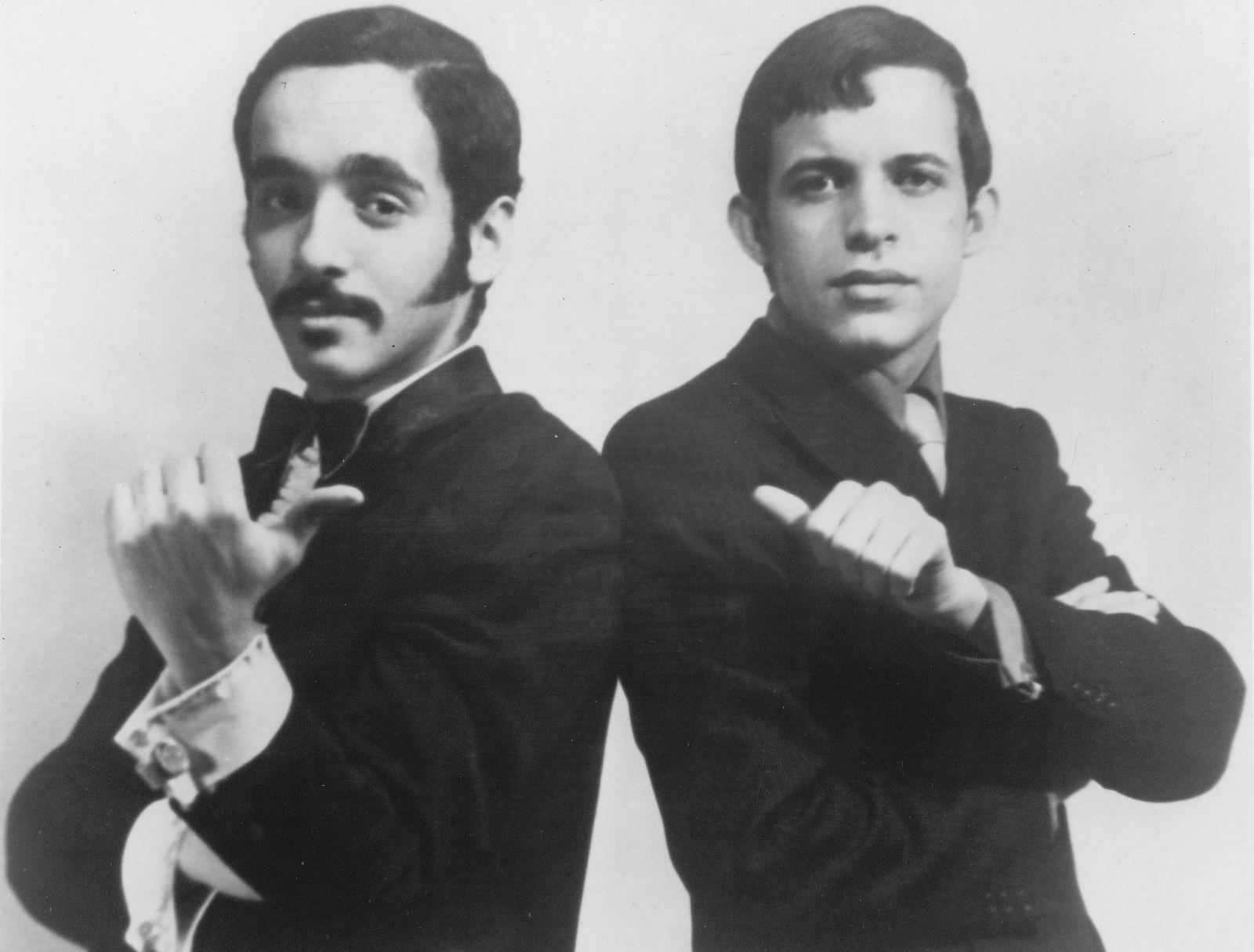
Willie Colón and Héctor Lavoe, 1969: Fania Records, Public domain
A word with flavor
In Spanish, salsa simply means sauce, and for decades Latin musicians shouted it to mean spice or extra flavor. Ignacio Piñeiro's 1933 son Échale salsita, roughly add a little sauce, is the classic early example, and band leaders across the Caribbean used the word as an exclamation on stage.
In the 1960s and 1970s the word started to name the music itself. Radio hosts, magazine editors and promoters in Venezuela and New York all helped, and the label stuck because it was short, catchy and easy to sell.
Video: Fania All Stars "Live In Africa" - Quimbara (Celia Cruz) (Fania Records), embedded from YouTube.
Salsa music is literally named after a sauce
The word salsa means sauce. The music grew from Cuban son, mambo and Afro-Cuban rhythms mixed with jazz and Puerto Rican sounds in New York, and Fania Records (founded 1964 by Johnny Pacheco and Jerry Masucci) made the name stick.
YouTube @SalsaTranquila (launching soon). Photos in this Short: Salsa band and salsa dancing - Fatacil Agriculture and Tourism Fair - Lagoa - The Algarve, Portugal (1469449571).jpg - Glen Bowman from Newcastle, England (CC BY 2.0) via Wikimedia Commons | Salsa dancing - Cuban Salsa Leuven.jpg - Sean Reniers (CC BY-SA 4.0) via Wikimedia Commons | Street Musician in Havana (49042271832).jpg - kuhnmi (CC BY 2.0) via Wikimedia Commons | Salsa dancing.jpg - see file page (Public domain) via Wikimedia Commons | Clase de salsa en Iberoconf 2023.jpg - Luis Alvaz (CC
Fania Records
Dominican bandleader Johnny Pacheco and Italian-American lawyer Jerry Masucci founded Fania Records in New York in 1964. The label signed young Nuyorican talent and gave them room to experiment. Willie Colón's debut El Malo, recorded with singer Héctor Lavoe, came out on Fania in 1967 and introduced a rough, trombone-heavy street sound.
Fania went on to release records by Celia Cruz, Rubén Blades, Ray Barretto, Cheo Feliciano, Ismael Miranda and many others, building the most influential catalog in the genre.
The label also had a sharp eye for image. Its album covers, often designed by Izzy Sanabria, played up a tough, witty New York attitude, and they helped sell the idea of salsa as a modern urban sound rather than nostalgia for the islands.
The All-Stars
In 1968 the label gathered its biggest names into the Fania All-Stars. Their 1971 concert at the Cheetah club in Manhattan was filmed for Our Latin Thing, released in 1972, which carried the scene to cinemas. Later shows filled Yankee Stadium in 1973, and in 1974 the band played in Kinshasa, Zaire, during the music festival tied to the Muhammad Ali and George Foreman fight.
Those concerts proved that salsa was not a niche sound but a global party.
Old music, new name
Some Cuban musicians grumbled that salsa was only a new label for son and mambo, and they had a point: the roots are clearly Cuban. Yet the New York scene added its own grit, jazz harmony and Puerto Rican identity. The name ended up describing that whole mix, a sauce with ingredients from many kitchens.
Today Fania's catalog is still reissued, sampled and played at every serious salsa night. Many dancers first learn the classics through these recordings, from Willie Colón's trombones to Celia Cruz's fiery vocals, and they remain the sound most people picture when they hear the word salsa.
- Wikipedia: Fania Records
- Smithsonian NMAH: Smithsonian Celebrates Life and Legacy of Queen of Salsa Celia Cruz
- World Music Central: Artist Profiles: Septeto Nacional
Facts on this page were checked against these sources.
- Willie Colón and Héctor Lavoe, 1969: Fania Records, Public domain
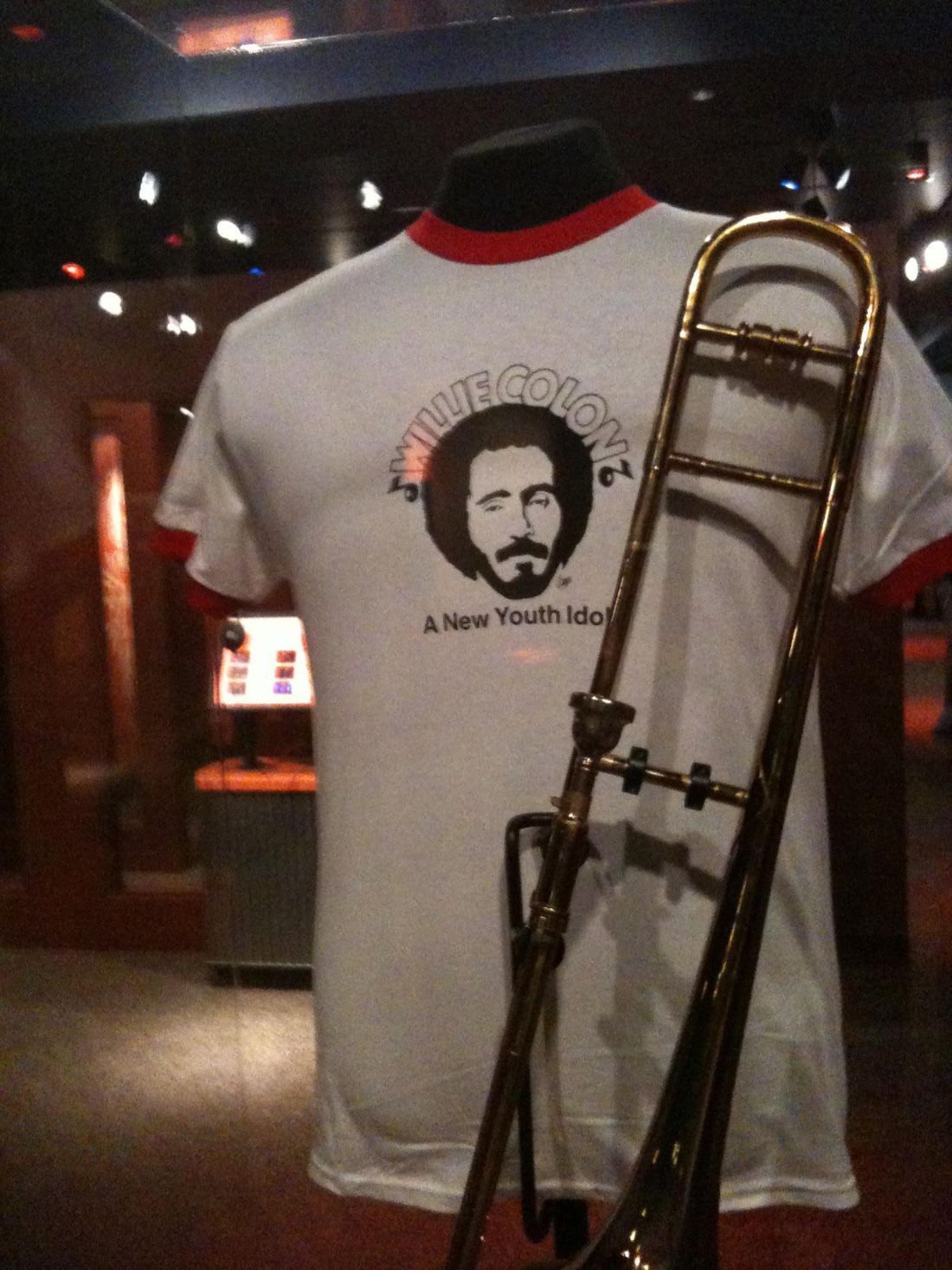
- Smithsonian Latino music exhibit: Tommy Miles from NYC, CC BY-SA 2.0
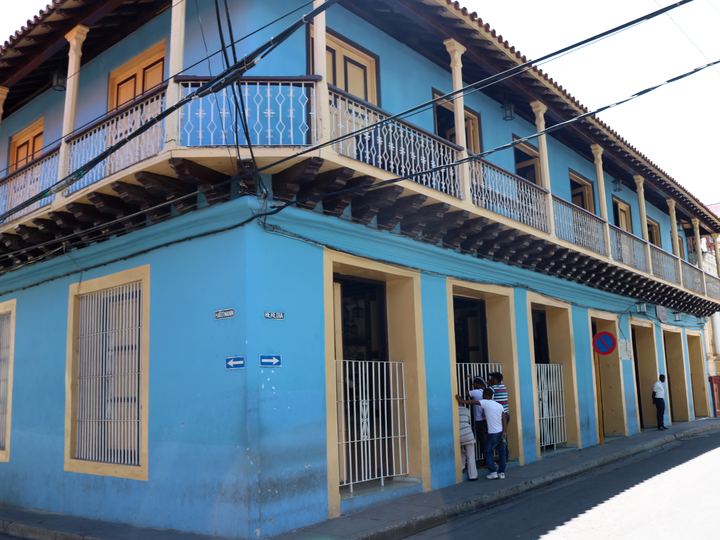
- Short photos: Salsa band and salsa dancing - Fatacil Agriculture and Tourism Fair - Lagoa - The Algarve, Portugal (1469449571).jpg - Glen Bowman from Newcastle, England (CC BY 2.0) via Wikimedia Commons | Salsa dancing - Cuban Salsa Leuven.jpg - Sean Reniers (CC BY-SA 4.0) via Wikimedia Commons | Street Musician in Havana (49042271832).jpg - kuhnmi (CC BY 2.0) via Wikimedia Commons | Salsa dancing.jpg - see file page (Public domain) via Wikimedia Commons | Clase de salsa en Iberoconf 2023.jpg - Luis Alvaz (CC BY-SA 4.0) via Wikimedia Commons | Cuban Drummer.jpg - FranHogan (CC BY-SA 4.0) via Wikimedia Commons | Statue of conguero in Caguas, Puerto Rico.jpg - Guaraguao (CC BY 2.0) via Wikimedia Commons | Cuba 2018 IMG 2401 (32130820988).jpg - Abderrahman Ait Ali (CC BY-SA 2.0) via Wikimedia Commons
Text written by Salsa Tranquila.

.jpg)
