
Pedro Navaja
Salsa as street storytelling. Pedro Navaja, by Rubén Blades with Willie Colón on the 1978 album Siembra, turned a salsa song into a gritty, twist-ending New York short story.

Rubén Blades in 2019: Gage Skidmore from Peoria, AZ, United States of America, CC BY-SA 2.0
A partnership at its peak
Panamanian singer and songwriter Rubén Blades teamed up with New York trombonist and bandleader Willie Colón in the late 1970s. Their 1978 album Siembra, released by Fania, became one of the best-selling salsa records ever and showed that the genre could carry serious lyrics as well as dance grooves.
Pedro Navaja was its centerpiece, a story song longer than most radio hits and built like a short film.
Blades had studied law in Panama and was working in New York's music scene, including at Fania's offices, before his songwriting took off. His sharp, observant lyrics brought a journalist's eye to salsa.
Video: Willie Colon & Ruben Blades - Pedro Navaja (Fania Records), embedded from YouTube.
The story
Blades borrowed the idea of a stylish knife-carrying hustler from Mack the Knife, the ballad by Kurt Weill and Bertolt Brecht, and moved him to a New York street corner. The song follows Pedro as he stalks a woman working the street, while the neighborhood looks the other way.
The ending flips everything, leaving both characters on the sidewalk and a passing drunk to deliver the moral that life is full of surprises. Listeners still debate the twist decades later.
Why it matters
Pedro Navaja helped define salsa consciente, socially aware salsa that talks about city life, crime and inequality. Blades wrote about real streets instead of romance or dance alone, and that made his work a reference point for later songwriters across Latin music.
The song's success also proved that audiences would follow a long, story-driven track, even on dance floors.
Blades later earned a master's degree in international law from Harvard, ran for president of Panama and served as the country's minister of tourism, while continuing to act and record. Pedro Navaja remains the song most fans name first when they think of him.
Dancing to it
The track grooves at a comfortable mid tempo, with a strong clave and a classic Colón trombone section, so it is a favorite at social nights. Many dancers take a moment to listen instead, and when the twist comes, you will often hear a few people on the floor singing along.
Siembra also includes Plástico, a satirical swipe at shallow consumer culture, and Buscando Guayaba, among other tracks. Listening to the whole album is the best way to hear how Colón's arrangements and Blades' words fed each other.

Facts on this page were checked against these sources.
- Rubén Blades in 2019: Gage Skidmore from Peoria, AZ, United States of America, CC BY-SA 2.0
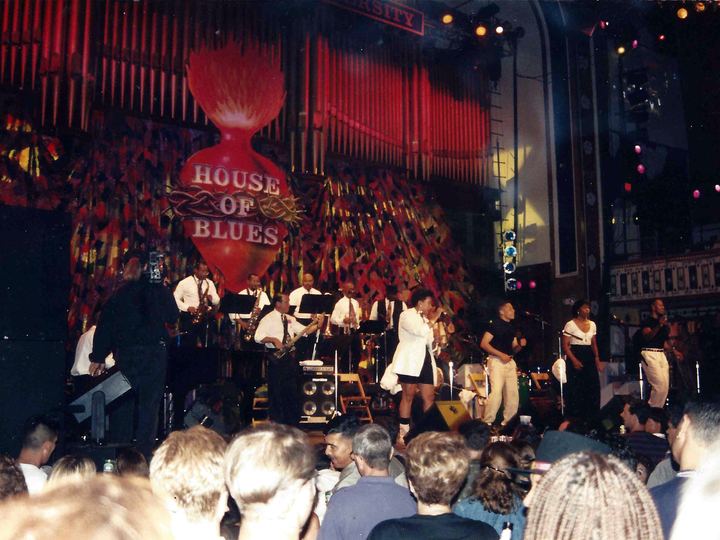
- Willie Colón on stage: MerleEllaPatsy, CC BY-SA 4.0
Text written by Salsa Tranquila.

.jpg)
